



What is a Generator? Working Principle, Types and Applications
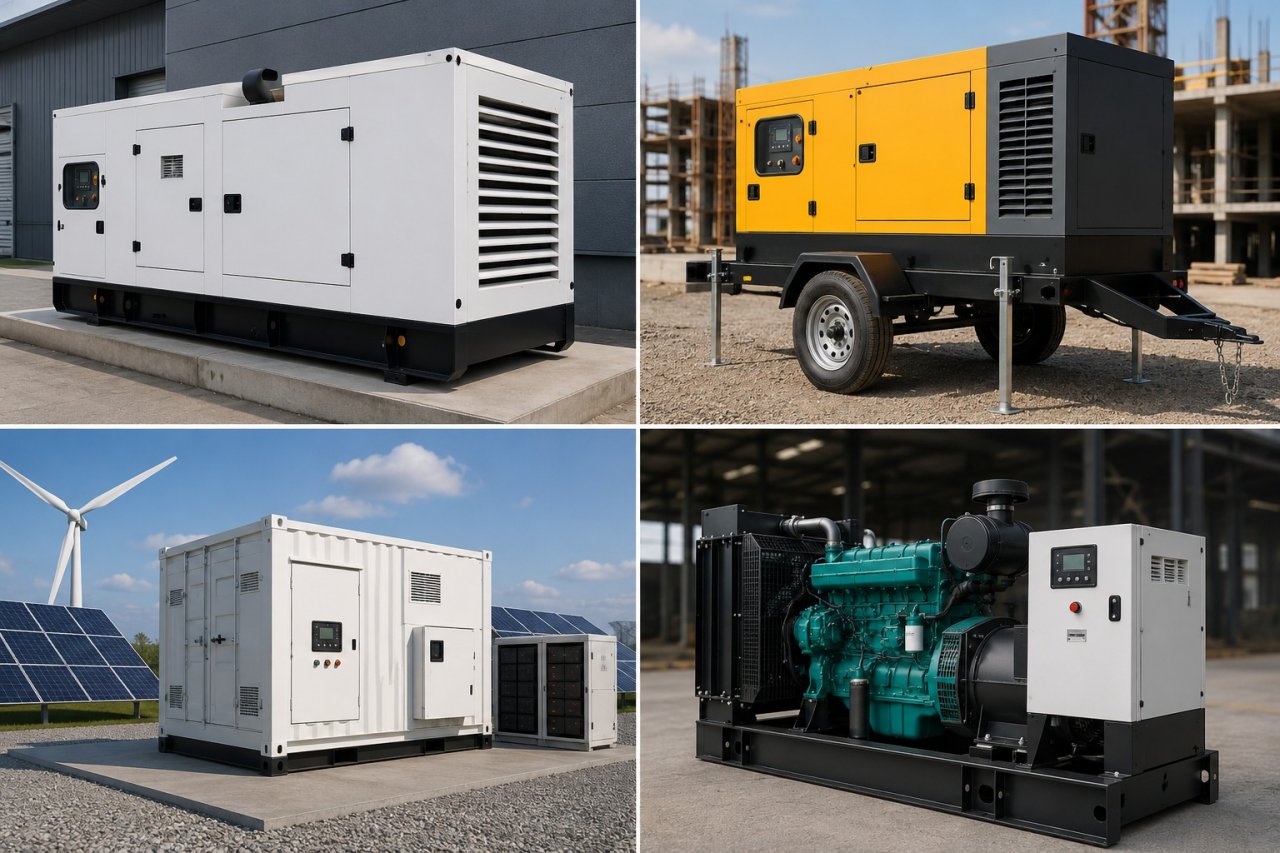
A generator is a power system that converts mechanical energy into electrical energy and provides backup electricity during power outages. Today, generators are widely used in industrial facilities, hospitals, data centers, construction sites, and many other critical applications.
How Does a Generator Work?
Generators produce mechanical energy through an engine powered by fuel such as diesel or gasoline. This mechanical energy is then converted into electrical energy by an alternator. When the main power supply fails, the system automatically starts operating.
Types of Generators
The most common types of generators include:
- Diesel Generators: High efficiency and long service life.
- Mobile Generators: Portable solutions ideal for field applications.
- Hybrid Generators: Combine battery and diesel systems for fuel efficiency.
- Industrial Generators: Designed for high power demand applications.
- Custom Generator Solutions: Tailor-made systems based on specific project requirements.
Applications of Generators
Generators play a critical role in many industries:
- Hospitals and healthcare facilities
- Factories and manufacturing plants
- Construction sites
- Data centers
- Shopping malls and hotels
How to Choose the Right Generator
Key factors in selecting a generator include power capacity, fuel type, application area, and operating duration. Choosing the right system ensures efficiency, reliability, and cost-effectiveness.